

Coffee 101
Light vs Medium vs Dark Roast: What Actually Changes
Light, Medium or Dark Roast: Find Your Flavor
Choose by the kind of cup you enjoy, with a clearer view of roast labels, brewing and caffeine.
Start reading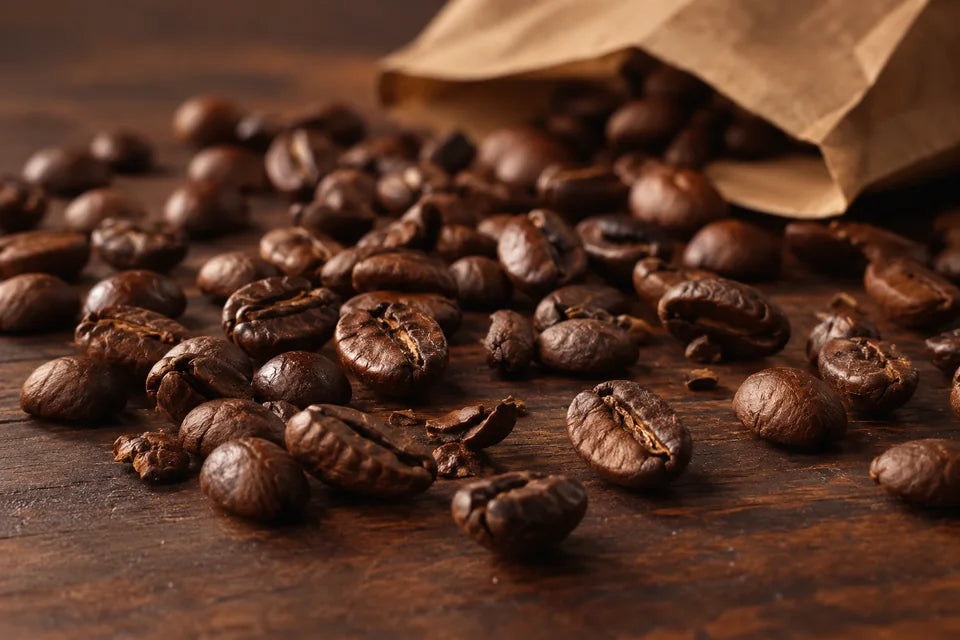 AI-created editorial imagery
In this guide 6 chapters
Begin with the flavor you want
If you enjoy bright, fruit-like coffee, explore lighter roast descriptions. If you want a rounded cup with familiar cocoa or toasted notes, start around medium. If you love a more pronounced roasted, bittersweet character, look toward darker descriptions. These are directions for exploration, not promises printed into every bean.
There is no award for liking the lightest roast. A coffee that makes your morning more enjoyable is a useful place to begin. Read the roaster’s tasting notes alongside its roast label, then judge the cup you actually make.
Roasting creates flavor
Roasting changes coffee’s chemistry and physical structure. Heat-driven reactions create much of the aroma we recognize as coffee. Roast color gives a useful clue to that transformation, but it does not tell the complete story of the roast or the finished drink.
Everyday names such as light, medium, French and blonde do not give you a single universal recipe or numerical specification across brands. Two bags called medium may taste noticeably different. If you are switching roasters, use the flavor description as another guide instead of assuming the labels match exactly.
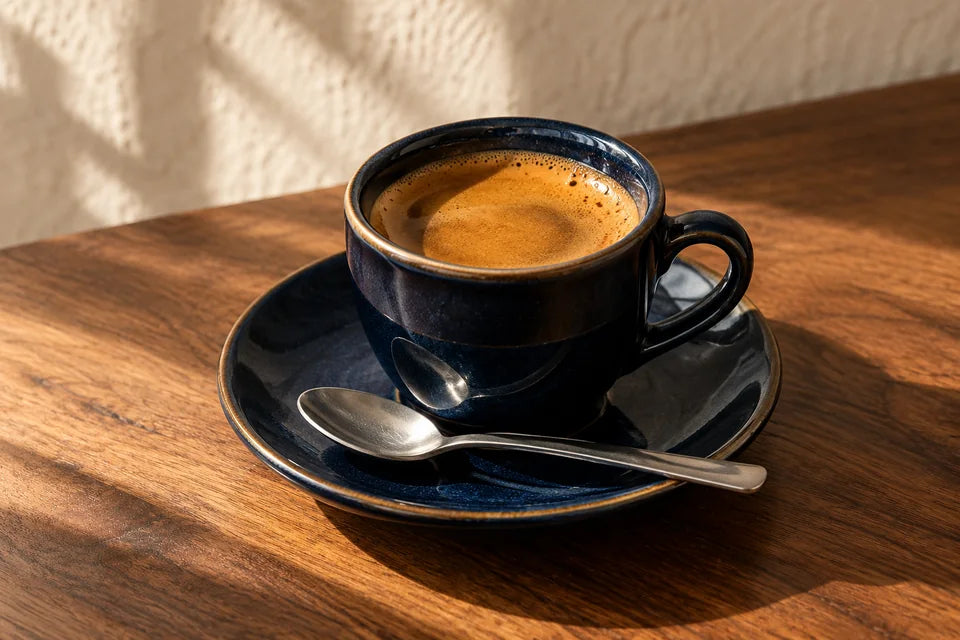
Think in tendencies, then taste
Lighter descriptions
These often point toward more prominent acidity and less dominant roast character. Fruit, floral or tea-like descriptions may appear, but a light label cannot promise any particular note.
Medium descriptions
Look here when you want a meeting point between roast character and other flavors. The useful details are on the actual bag: one medium may emphasize cocoa, another fruit. “Medium” does not automatically mean everyone will find it balanced.
Darker descriptions
Roasted and bitter sensations may become more prominent as roast degree increases. That can suit a person who enjoys a bittersweet cup. It does not mean every dark roast is defective, nor does it make every light roast excellent.
“Strong” needs one more question
Do you mean a powerful roasted flavor, a concentrated drink or more caffeine? Those are different goals. You can brew a dark roast into a dilute cup or a light roast into a concentrated one. The coffee-to-water ratio helps with concentration; it does not measure caffeine.
Caffeine depends on the coffee, the amount used and the brewing conditions. Controlled roast research has found differences under its tested conditions, so “roast never changes caffeine” is too absolute. Roast color, boldness and bitterness are poor ways to estimate the caffeine in your serving. This guide cannot assign a reliable milligram amount from a roast label.
Make a comparison you can use
- Choose two coffees with noticeably different descriptions, in amounts you can comfortably use.
- Brew each with a suitable recipe and record the actual coffee and water amounts.
- Taste when comfortably cool, using similar cups if possible.
- Write one flavor observation and one preference: “more roasted; I liked it with milk.”
This compares the two coffees as you brewed them. If their origins or processing differ, the result is not an experiment proving roast alone caused every difference. It still tells you something valuable about what to buy next.
Let the recipe follow the equipment
A new roast may need a different grind or temperature to suit your brewer and taste. Start from that brewer’s guidance or a clearly scoped recipe. Boiling water is used in some successful manual-brew techniques; a fixed waiting time after boiling is not a universal fix for bitterness.
Change one useful thing at a time, write down what happened and keep the version you enjoy. Our tasting guide gives you simple words for making that choice.
Sources & further reading
Our teaching is written for Coffee Crate. Named recipes remain credited to their creators; manufacturer instructions apply to the equipment specified.
- SCA: Flavor from the Fires—Why Roast Color Matters (opens in a new tab) ↗Roasting creates flavor; roast color is informative while everyday roast names are being examined, not universal flavor guarantees.
- Münchow et al. 2020: Roasting conditions and coffee flavor (opens in a new tab) ↗Multi-study sensory research on roast color and time; controlled study conditions do not predict every coffee or home brew.
- Caffeine content in filter coffee brews as a function of degree of roast and extraction yield (opens in a new tab) ↗2024 controlled coffee/roast/time combinations; caffeine is affected by brewing and roast, with no universal retail-cup dose inferred.
- James Hoffmann: Brew your coffee with boiling water (opens in a new tab) ↗Creator’s hot-water guidance illustrates recipe and roast dependence; no universal temperature or cooling time adopted.
Sources checked 2026-10-16.